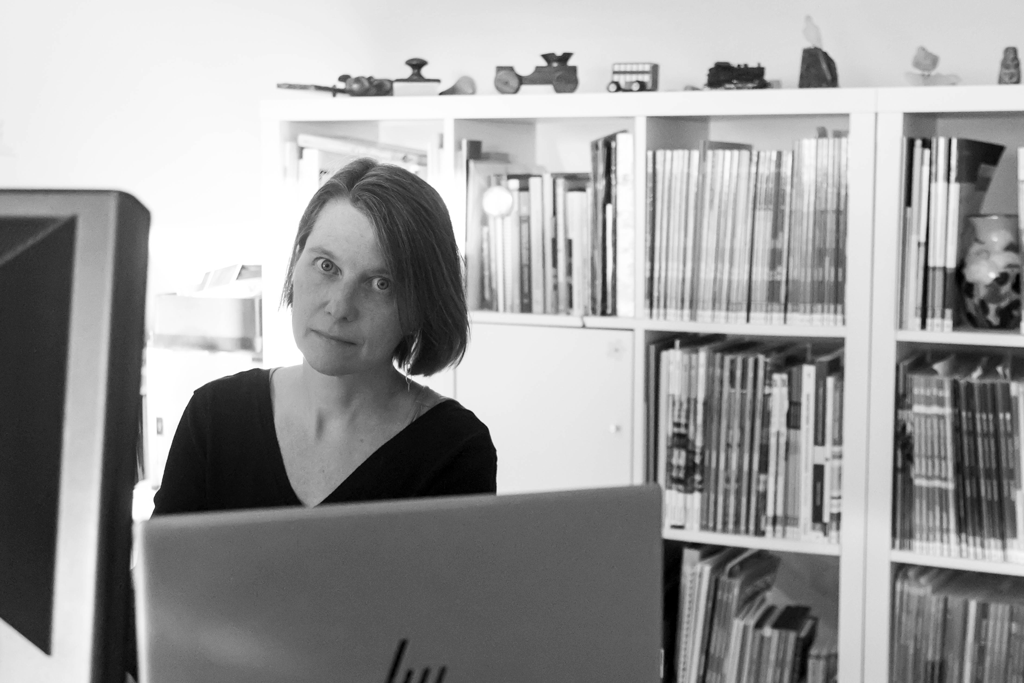
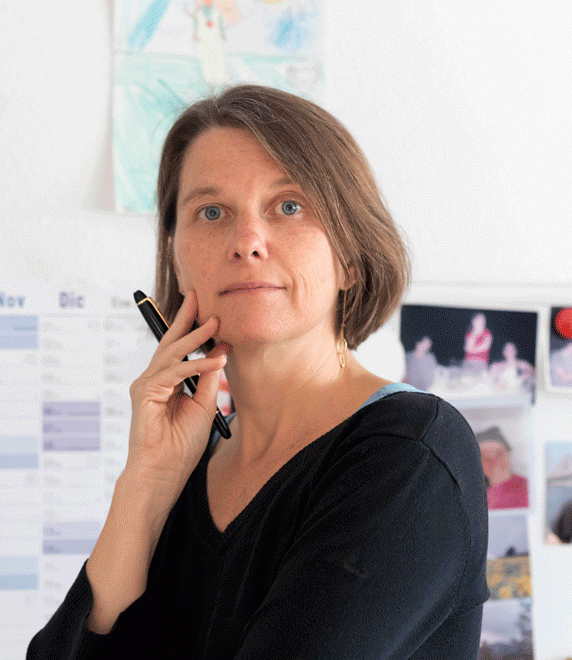
I’m Bettina Melchers — linguist, language teacher, author, editor, digital creator and specialist in neurodiversity. I’m passionate about teaching and language learning. “Motivation above all” could be my motto. For learning to flourish and continue, motivation and curiosity are essential. That’s why I focus on understanding each learner’s goals and interests, and on providing varied, modern, and adaptable materials. This philosophy guides everything I do — from teaching to content creation and leading workshops.
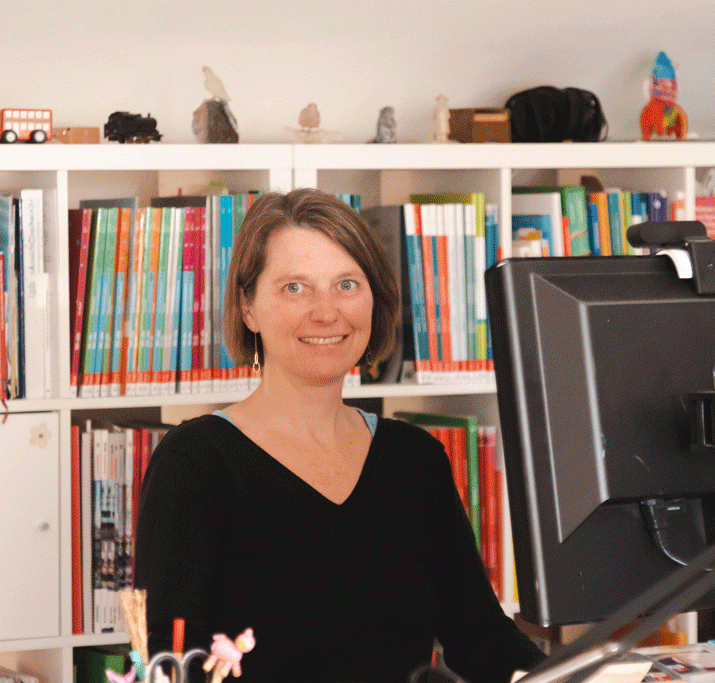
Speaking a language is not just about knowing words — it’s about opening a window to the world. It means discovering new ways of thinking, connecting with people from other cultures, and expanding our personal and professional opportunities. As a linguist and passionate language learner, I’ve always been fascinated by the power of languages to bring us together and help us see and interpret the world from different perspectives.
🇩🇪 German (Sie-Form)
Eine Sprache zu sprechen bedeutet nicht nur, Wörter zu kennen – es ist wie ein Fenster zur Welt. Es eröffnet neue Denkweisen, ermöglicht Verbindungen zu Menschen aus anderen Kulturen und erweitert unsere persönlichen und beruflichen Chancen. Als Linguistin und leidenschaftliche Sprachlernende fasziniert mich seit jeher, wie Sprachen uns verbinden und unseren Blick auf die Welt verändern können.
Let me know if you’d like to adapt this for a specific section of your website or pair it with a visual or quote — it would make a lovely intro!
I’m also a mother of two girls and a volunteer — experiences that have taught me the value of empathy, patience and dedication. These are qualities I try to bring into every class. For me, learning should be a rich, human and meaningful experience. That’s why, beyond teaching grammar or vocabulary, I aim to support each learner in their journey of growth and discovery.
It doesn’t matter if you’re starting from scratch or already have some experience — together, we can move step by step towards your goals with German.
When we teach a class, we do so with the learners in front of us in mind — their interests, pace and needs. But when we create educational materials, the challenge expands: we need to consider much more.
Designing learning content requires, above all, empathy. We must step into the shoes of those who will use it — both learners and educators — and ask ourselves: How will this instruction be understood? Will this person feel represented by the images? Will they connect emotionally with the topic? Will this activity encourage participation, conversation or discussion? Could this approach cause discomfort or conflict?
There are many questions, many variables and many realities to keep in mind when writing or editing. That’s why, even though a textbook may contain little text (despite its name), its development often takes months or even years.
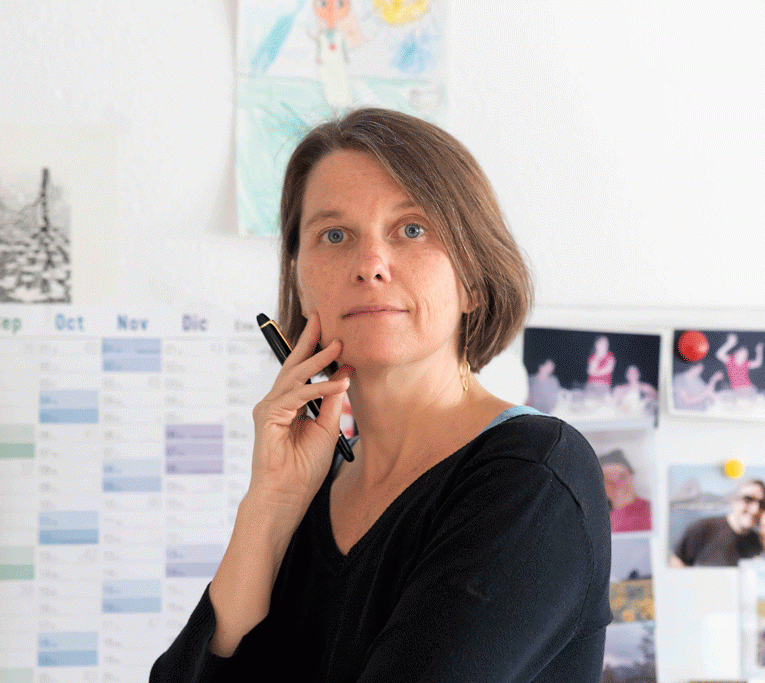
My approach to creating materials is the same as the one I apply in teaching:
Not all knowledge fits into a book, and not every idea stays on the page. Even the best teaching method will be adapted by each educator to suit their own style or the group in front of them.
That’s why I also offer training sessions on a variety of topics: digital projects, intercultural activities, online teaching, educational games, phonetics, grammar, comparative linguistics and interlinguistic teaching, neurodivergence, mediation, exam preparation, inclusive teaching, and inclusive materials and learning spaces.